Key takeaways
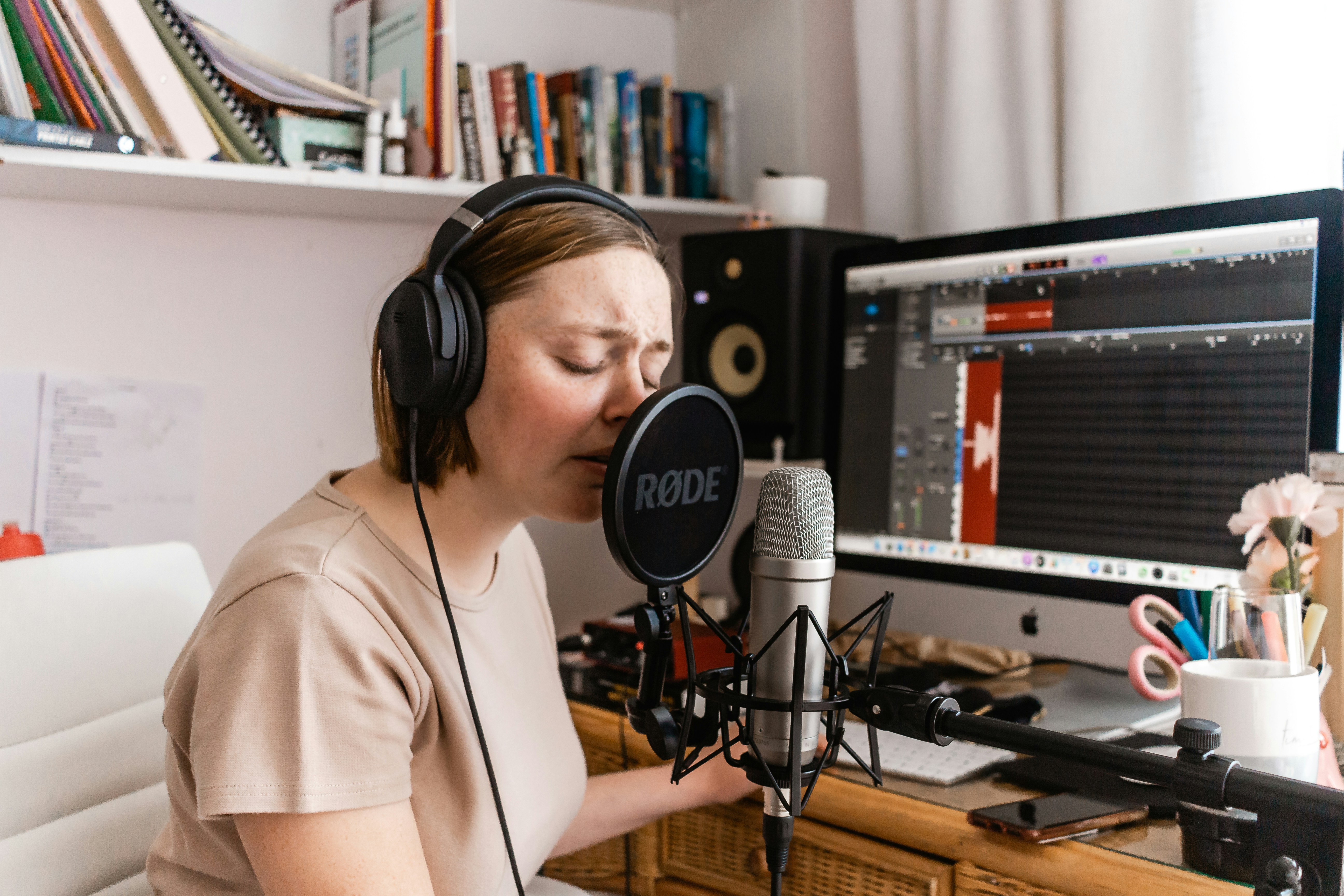
Closed-back headphones keep a click track or backing mix from spilling into your microphone, but none of them guarantee zero bleed. Seal, fit and volume matter as much as the model.
Sennheiser claims up to 32 dB of noise attenuation for the HD 280 Pro, the only isolation figure any manufacturer here publishes. Beyerdynamic, Shure and AKG describe isolation without a number.
Most picks here have impedances between 32 and 64 ohms, so a laptop or a basic audio interface can drive them. The 250 ohm version of the DT 770 Pro needs more headphone-amp power.
A detachable cable is worth paying for. A cable is the part that breaks first on a pair of studio headphones.
Comfort decides how long you can track. Sennheiser itself says the HD 280 Pro's clamp can cause fatigue in very long sessions.
Prices are snapshots from November 19, 2026, and several retailers have Black Friday sales running.
How we ranked
We ranked headphones on isolation, comfort over a long session, cable and pad design, impedance and price. Specs come from the makers' product pages when those loaded, and from retailer and review pages otherwise. Isolation figures are the makers' claims or reviewers' impressions, since we found no independent measurements we could cite. That's why the table below leaves isolation as "claim" or "reported."
Closed-back headphones for recording at a glance
Headphones | Impedance | Cable | Isolation | Price |
|---|---|---|---|---|
Beyerdynamic DT 770 Pro X | 48 ohm | Detachable, 3 m straight | "High sound isolation" | $229.99 list, $199.99 shown |
Beyerdynamic DT 770 Pro | 32, 80 or 250 ohm | Fixed, straight | "Exceptional isolation" | $199.99 list, $139.99 sale |
Sennheiser HD 280 Pro | 64 ohm | Coiled | Up to 32 dB (Sennheiser's claim) | Around $100 |
Audio-Technica ATH-M50x | 38 ohm | Detachable | Mixed reviews | Check retailers |
Shure SRH840A | 40 ohm | Detachable, locking | "Reduces background noise" | Check retailers |
AKG K371 | 32 ohm | Detachable | Strong isolation claimed, no figure | $149 sale, $199 list |
1. Beyerdynamic DT 770 Pro X: Best overall
The DT 770 Pro X is a closed-back, circumaural headphone with a 45 mm STELLAR.45 driver and a detachable cable.
What works: It runs at 48 ohms, so you don't need a headphone amp, and its frequency range is listed at 5 to 40,000 Hz. The 3 m cable locks in with a mini-XLR connector, so a damaged cable is a cheap fix. It weighs 305 g without the cable, and its pads are velour. HomeStudioBasics called the isolation "very good" with "almost no leakage" and the comfort "amazing." Another reviewer reported minimal click-track bleed while tracking drums.
What doesn't: Beyerdynamic doesn't publish an isolation figure, and neither reviewer ran a direct test of bleed into a microphone. The product page showed conflicting stock labels when we read it, so confirm it's available.
Best for: Home studios that want a comfortable, durable pair with a replaceable cable.
2. Beyerdynamic DT 770 Pro: Best classic
The DT 770 Pro is the long-running studio standard, sold in 32, 80 and 250 ohm versions.
What works: Beyerdynamic lists a nominal sound pressure level of 96 dB, a range of 5 to 35,000 Hz and a weight of about 375 g with the cable. The pads are replaceable. MusicRadar said its passive isolation helps keep backing tracks from bleeding onto mics and called it "extremely comfortable." It lists at $199.99 and was on sale for $139.99 when we checked.
What doesn't: The cable is fixed, so a break means a repair or a new pair. The 250 ohm version needs an interface with enough headphone-amp power, so most home studios should pick the 80 ohm.
Best for: Tracking sessions where you want a proven design at a lower price than the Pro X.
3. Sennheiser HD 280 Pro: Best for isolation on a budget
The HD 280 Pro is a foldable, closed-back headphone built around strong passive isolation.
What works: Sennheiser lists up to 32 dB of ambient noise attenuation, and says the tight seal reduces bleed when a musician records next to a sensitive condenser microphone. It's 64 ohms, weighs 285 g without the cable and folds for transport. The pads are replaceable, and it sells for around $100.
What doesn't: Sennheiser says the high clamp can cause fatigue during very long sessions. Sonarworks found the pads awkward for people who wear glasses. The cable is coiled.
Best for: Short tracking sessions where isolation matters more than comfort.
4. Audio-Technica ATH-M50x: Best all-rounder
The ATH-M50x is a 45 mm, closed-back studio headphone with detachable cables.
What works: Audio-Technica lists a range of 15 to 28,000 Hz. Retail listings show a coiled and two straight cables, and the cups swivel 90 degrees for single-ear monitoring. It's widely available and easy to find replacement parts for.
What doesn't: Reviewers disagree on isolation. RTINGS called it disappointing and prone to leakage at higher volumes, while DJBooth and Violet Recording praised it. That's a reason to keep the volume low when you track vocals through a condenser mic.
Best for: Engineers who want one pair for tracking, mixing and listening.
5. Shure SRH840A: Best for replaceable parts
The SRH840A is Shure's closed-back studio headphone with 40 mm neodymium drivers.
What works: The locking cable detaches, and the replacement pads are sold separately. Shure's user guide lists 40 ohms and 97 dB per mW, and a weight of 273 g. Shure says it reduces background noise and suits recording and monitoring.
What doesn't: Shure's product page doesn't list a price or impedance, so those figures came from the user guide and retailers, and some retailers list slightly different numbers. We didn't find an independent review that tested its bleed.
Best for: Studios that want pads and cables they can replace over years of use.
6. AKG K371: Best for long sessions
The K371 is a lightweight, closed-back headphone with a 50 mm titanium-coated driver.
What works: AKG lists 32 ohms, a range of 5 to 40,000 Hz, a sensitivity of 114 dB and a weight of 255 g. It comes with a 1.2 m straight cable, a 3 m straight cable and a 3 m coiled cable, and it folds. Sonarworks said comfort is its strength and that it needs no headphone amp. It was $149 on sale and $199 list on AKG's pages.
What doesn't: AKG claims strong isolation but gives no figure, and we found no independent test of its leakage. The pleather pads may get warm in long sessions.
Best for: Long tracking and editing sessions where comfort comes first.
Buying advice for recording
Test for bleed. Record a short take at the loudest part of the backing track and listen for spill. Turning the volume down or improving the seal often helps more than changing models.
Check the impedance. Under about 64 ohms works with most interfaces. Go higher only if your interface can drive it.
Prefer a detachable cable. The Pro X, M50x, SRH840A and K371 all have one.
Plan for pads. Pads wear out, and all of these have replacements.
Keep an eye on stock. Several of these models show sales or limited stock in November.
How to choose
Want the best overall pair? Pick the DT 770 Pro X.
Tight budget and a priority on isolation? The HD 280 Pro.
Long sessions? The K371 or the DT 770 Pro.
Want parts you can swap? The SRH840A.
Want one pair for everything? The ATH-M50x.
Common mistakes
Cranking the volume until the track leaks into the microphone.
Buying a 250 ohm pair for an interface that can't drive it.
Choosing a fixed cable for a pair that will get daily use.
Judging isolation by a marketing line instead of a test take.
Wearing one cup off the ear for vocals without checking for leakage in the recording.
Frequently asked questions
What are the best closed-back headphones for recording?
The Beyerdynamic DT 770 Pro X wins for most home studios, thanks to a detachable cable, a 48 ohm load and reviews that report low leakage. The Sennheiser HD 280 Pro is the budget pick.
Why use closed-back headphones for recording?
Closed-back headphones keep sound from leaking into your microphone, which matters when you track with a click or a backing mix. Open-back headphones leak more and are better for mixing.
Do closed-back headphones stop all bleed?
No. Reports from engineers show bleed even with closed-back models, and fit and volume affect it. Test with a short take before a full session.
Do I need a headphone amp?
Not for most of these, which run between 32 and 64 ohms. The 250 ohm DT 770 Pro needs an interface with enough headphone power.
How much do recording headphones cost?
The headphones here run from around $100 for the HD 280 Pro to about $200 for the DT 770 Pro X, based on prices read in November 2026.
Are the ATH-M50x good for recording?
They're a common choice, but reviewers disagree on their isolation. Keep the volume low and test for bleed before you rely on them for vocals.