Key takeaways
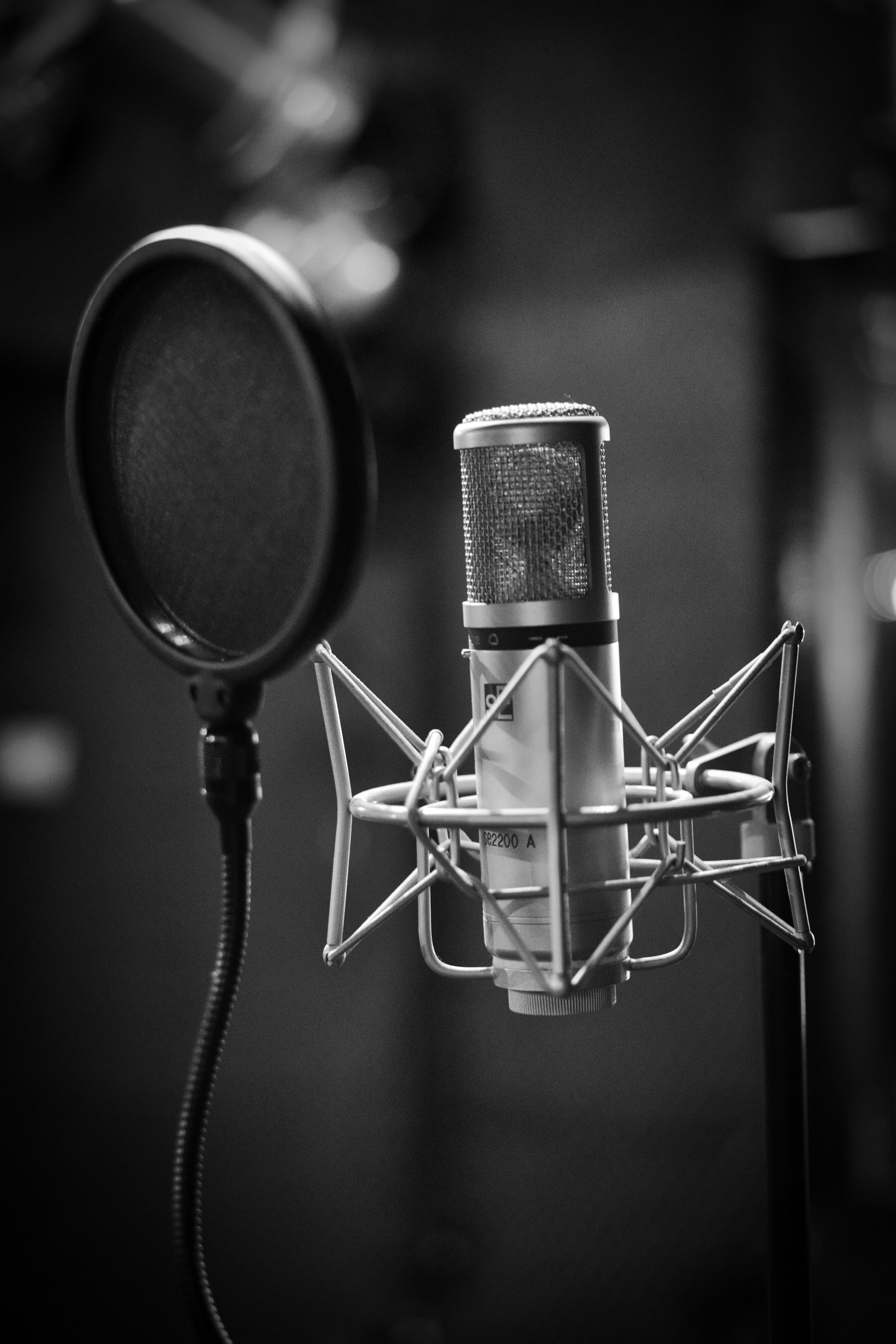
A condenser mic is more sensitive than a dynamic mic, so it picks up more of the room along with the voice. A quiet, treated space does as much for your recording as the mic does.
Every mic here except the NT1 5th Generation's USB mode needs 48V phantom power from an audio interface or preamp.
The Rode NT1 5th Generation lists 4 dBA of self-noise, which is very low, and it ships with a shock mount, pop filter and both XLR and USB-C cables.
The AT2035 costs about $159 at Sweetwater and adds a 10 dB pad and an 80 Hz roll-off switch, which most mics at that price skip.
Prices here are retailer snapshots. Check them before you buy, since several brands have early Black Friday discounts.
How we ranked
Mics were scored on the specs that count for singing, including self-noise, maximum level, pad and filter switches, polar patterns and included accessories, and then on price. Reviewer comments on vocal sound count too. Figures come from manufacturer pages where they loaded and from retailer listings where they didn't, read on November 16, 2026. No independent lab measurements turned up for these mics, so the noise and level numbers are the makers' claims.
Condenser mics for vocals at a glance
Mic | Patterns | Pad and filter | Self-noise | Connection | Price |
|---|---|---|---|---|---|
Rode NT1 5th Generation | Cardioid | None | 4 dBA | XLR and USB-C | About $249 |
Audio-Technica AT2035 | Cardioid | 10 dB pad, 80 Hz roll-off | Not listed on retailer page | XLR | $159 |
Lewitt LCT 240 Pro | Cardioid | Not stated | Not stated | XLR | $149 |
AKG C214 | Cardioid | 20 dB pad, 160 Hz filter | 13 dBA | XLR | $449 |
Shure SM27 | Cardioid | 15 dB pad, 3-position filter | 9.5 dBA | XLR | About $349 to $449 |
Warm Audio WA-87 R2 | Three patterns | Check spec sheet | Not stated | XLR | About $699 |
Neumann TLM 102 | Cardioid | None listed | 12 dB-A | XLR | Check retailers |
1. Rode NT1 5th Generation: Best overall
The NT1 5th Generation is a large-diaphragm cardioid condenser that connects over XLR or USB-C.
What works: Rode lists 4 dBA of self-noise, and the mic comes with a shock mount, a pop filter, an XLR cable and a USB-C cable. The USB output records 32-bit float audio up to 192 kHz according to third-party listings, so you can record without an interface, then switch to XLR when you have one. It lists around $249. TechRadar called it the studio gold standard, and PC Gamer gave it 90.
What doesn't: It has no pad or filter switches. TechRadar warns that it suits very quiet rooms, and Gear News noted there's no headphone output on the mic and that processing is limited to Rode's software.
Best for: Home studios that want a quiet, versatile mic with a USB option.
2. Audio-Technica AT2035: Best budget pick
The AT2035 is a cardioid condenser with switches that cheaper mics leave off.
What works: It has a 10 dB pad, a switchable 80 Hz roll-off and a maximum sound level of 148 dB, or 158 dB with the pad. It comes with a shock mount, a stand adapter and a pouch, and it costs $159 at Sweetwater.
What doesn't: It weighs 14.2 oz, which is heavier than most mics on this list, and its self-noise figure didn't appear on the retailer page we read. Published figures from other sources conflict.
Best for: Singers and voiceover artists on a first microphone budget who want a pad and roll-off.
3. Lewitt LCT 240 Pro: Best low-cost option
The LCT 240 Pro is a fixed-cardioid condenser that Lewitt lists at $149.
What works: It has a 142 dB maximum level and subtle lifts near 10 and 16 kHz, and Mixdown says the top-end lift flatters vocals and adds air. Sweetwater sells it in a vocal set with a shock mount, pop filter and bag.
What doesn't: Some users find it bright and sibilant, and we couldn't read Lewitt's own spec page, so noise and weight figures are missing. The reviews we found are several years old.
Best for: Budget buyers who want a bright, airy vocal sound.
4. AKG C214: Best for bright, detailed vocals
The C214 is a cardioid condenser built around a capsule derived from AKG's C414.
What works: AKG lists 13 dB-A self-noise, a 20 dB pad, a 160 Hz bass-cut filter and up to 156 dB maximum level. It weighs 280 g and costs $449 on AKG's US store. MusicRadar found it good on vocals and speech.
What doesn't: Another reviewer found it bright and sometimes harsh, brighter than the C414, and two Sweetwater reviewers wanted more low end. Its self-noise is higher than the NT1 5th Generation's.
Best for: Singers whose voices sit in a darker range and benefit from some added brightness.
5. Shure SM27: Best for loud and dynamic vocals
The SM27 is a large-diaphragm cardioid condenser from Shure.
What works: Its user guide lists 9.5 dB self-noise, a 15 dB pad and a three-position low-frequency switch that offers a 6 dB-per-octave cut below 115 Hz and an 18 dB-per-octave cut below 80 Hz. Maximum level is 138 dB, or 152 dB with the pad. Tape Op called 9.5 dBA very low.
What doesn't: It weighs 642 g, so it needs a sturdy stand. Shure's guide doesn't give a price, and retailers list it between about $349 and $449.
Best for: Loud singers and voices with a lot of dynamic range.
6. Warm Audio WA-87 R2: Best for a vintage-style sound
The WA-87 R2 is a FET condenser with cardioid, omni and figure-8 patterns, modeled on a classic Neumann design.
What works: The multiple patterns make it useful for duets and room sound as well as solo vocals, and it ships with a shock mount, a hard mount and a wooden case. Sound On Sound's review, as excerpted on Warm Audio's site, compared its sound to a vintage U87 at a fraction of the price.
What doesn't: We couldn't confirm self-noise, pad or filter specs from Warm Audio's own pages. Frontend Audio listed it at about $699, and Warm Audio's site shows early Black Friday discounts, so the price may be lower.
Best for: Home studios that want a classic large-diaphragm sound and a figure-8 option.
7. Neumann TLM 102: Best step up
The TLM 102 is a compact cardioid condenser that suits vocals.
What works: Neumann lists 144 dB maximum level, 12 dB-A self-noise and a slight lift near 10 kHz, in a body of about 210 g. MusicRadar said nothing competes at its price for vocals, and Mix Online noted low-mid warmth on male voices.
What doesn't: The page we read gave no US price. It has no pad or filter, and the reviews we found are several years old.
Best for: Singers who want a studio-standard sound and have the budget for it.
What you need alongside a condenser
Phantom power. XLR condensers need 48V from an audio interface or preamp. Our audio interface guide covers options.
A pop filter and shock mount. Some of these mics include them and others sell them separately.
A quiet room. Condensers hear reflections and noise that dynamic mics ignore, so a small room with soft surfaces helps. See our guide to treating a small room for recording.
Distance. Sing a hand's width from the pop filter to avoid plosives and keep the room quiet in the recording.
How to choose
Tight budget? Pick the AT2035 or the LCT 240 Pro.
No interface yet? The NT1 5th Generation records over USB-C.
Loud, dynamic voice? The SM27 or the C214 have pads that handle it.
Want several patterns? The WA-87 R2 has three.
Want a studio-standard mic? The TLM 102 is the step up.
Common mistakes
Buying a condenser for an untreated room and getting a recording full of reflections.
Forgetting phantom power.
Skipping the pop filter and recording plosives.
Singing too close without using the pad.
Judging a mic by price alone instead of by how it sounds on your voice.
Frequently asked questions
What is the best condenser microphone for vocals?
The Rode NT1 5th Generation is the best fit for most home studios because of its very low self-noise, its included accessories and its USB option. The AT2035 is the better pick on a tight budget.
Do condenser mics need phantom power?
Yes, XLR condensers need 48V phantom power, which most audio interfaces provide. The NT1 5th Generation can run over USB-C without it.
Is a condenser or dynamic mic better for vocals?
Condensers capture more detail but pick up more of the room. In an untreated room a dynamic mic is often the safer choice.
How much does a good vocal condenser cost?
The mics here run from about $149 for the Lewitt LCT 240 Pro to about $699 for the Warm Audio WA-87 R2, based on retailer and manufacturer prices read in November 2026.
Do I need a pop filter?
Yes. A pop filter reduces plosives, and some of these mics include one.